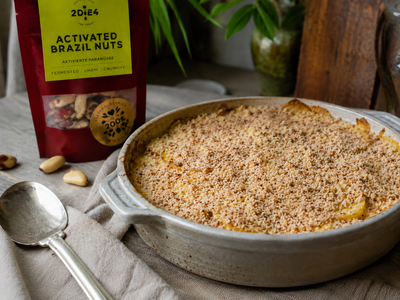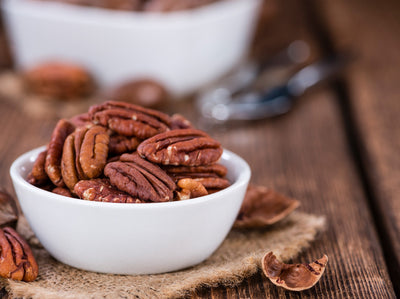

Polyphenols from nuts inhibit NF-κB, the central transcription factor for inflammatory genes. That's not theory. That's biochemistry.
When someone cuts their finger, the inflammation that follows is a good thing. Redness, warmth, swelling. The immune system cleans up. After a few days, it's all over. The problem starts when that process never stops. When your body is stuck in a permanent state of low-grade inflammation, with no visible wound, without you even noticing. Medicine calls this "silent inflammation." And over the past 20 years, it's become clear: this silent inflammation is the common thread behind almost every chronic disease.
What chronic inflammation does to you
PATHOPHYSIOLOGY
Research over the past two decades has identified chronic low-grade inflammation as the driver behind a disturbingly long list of diseases:
Cardiovascular
Atherosclerosis is at its core an inflammatory disease. CRP levels (C-reactive protein) are a better predictor of heart attacks than cholesterol. Nut Wisdom #1 shows the data.
Type 2 diabetes
Inflammatory mediators like TNF-α and IL-6 disrupt insulin signaling and promote insulin resistance. Magnesium deficiency amplifies the effect. Diabetes guide.
Cancer
Chronic inflammation damages DNA and fuels uncontrolled cell growth. Research shows polyphenols from nuts inhibit NF-κB and influence cancer risk through molecular signaling pathways.
Neurodegeneration
Neuroinflammation is a key mechanism in Alzheimer's and Parkinson's. Nut Wisdom #2 explains the walnut protection.
The standard diet in Western societies, heavy in sugar, trans fats, and excess omega-6, actively fuels this inflammation. More than 50% of calories in Germany come from ultra-processed foods. This isn't just a nutrition problem. It's an inflammation program.
Five mechanisms. One handful of nuts.
BIOCHEMISTRY
Phytochemicals, especially polyphenols, play a key role in the antioxidant and anti-inflammatory action of nuts. Current research has identified five central mechanisms:
1. NF-κB inhibition through polyphenols. NF-κB is the central transcription factor for inflammatory genes. When it's activated, the cell churns out inflammatory messengers: IL-6, TNF-α, COX-2. Ellagitannins from walnuts inhibit NF-κB directly. A controlled study showed: 43 g of walnuts per day lowered IL-6 by 11.5% and TNF-α by 5.9% within 8 weeks. That's not a marginal effect. That's clinically meaningful.
2. Omega-3 and resolvins. ALA from walnuts (8-14% of total fat) is partly converted to EPA. EPA produces what are called resolvins and protectins. These are lipid mediators that don't just block inflammation, they actively resolve it. They clear out the inflammatory debris. No NSAID (ibuprofen, aspirin) can do that. Those drugs block inflammation. Resolvins dissolve it. A fundamental difference.
3. Vitamin E and LDL protection. Almonds deliver 7.7 mg of vitamin E (α-tocopherol) per 30 g, 50% of your daily requirement. Vitamin E protects LDL particles from oxidation. Oxidized LDL gets taken up by macrophages and forms foam cells, the core of atherosclerotic plaques. The inflammatory cascade starts with oxidation. Vitamin E stops it at the beginning.
4. Magnesium and CRP. Cashews deliver 83 mg of magnesium per 30 g. Magnesium deficiency raises CRP levels by 60% (meta-analysis, European Journal of Clinical Nutrition, 2014). CRP is the most reliable blood marker for systemic inflammation. Replenish magnesium and CRP drops. That's how direct the link is. More on cashews and magnesium in Nut Wisdom #3.
5. Prebiotic fiber and butyrate. Nuts deliver 3-10 g of fiber per 30 g serving. Gut bacteria ferment this into short-chain fatty acids, especially butyrate. Butyrate strengthens the gut barrier (tight junctions), prevents endotoxins from leaking into the bloodstream, and thereby puts the brakes on systemic inflammation. The gut is your first line of defense. Our gut health article walks through the details.
Which nut works hardest?
RANKING
Strongest overall evidence. Omega-3 (ALA) + ellagitannins + γ-tocopherol. The only nut that inhibits inflammation through three pathways at once.
Highest ORAC value of all tree nuts (17,940 µmol TE/100g). Rich in proanthocyanidins and catechins. Directly inhibit LDL oxidation.
The best vitamin E source among nuts. α-tocopherol protects cell membranes from oxidative stress, the main driver of inflammatory cascades.
Selenium is a cofactor of glutathione peroxidase, your body's most important antioxidant enzyme. 1-2 nuts cover your daily need.
Lutein, zeaxanthin, β-carotene, selenium, and flavonoids. Influence two metabolic pathways that are essential for lipid metabolism.
The best strategy isn't one single nut, it's the combination. Different nuts inhibit inflammation through different mechanisms. Together they cover a spectrum no single supplement can match.
Why activation amplifies the anti-inflammatory effect
BIOAVAILABILITY
Two reasons activated nuts work harder:
1. Reducing phytic acid frees up minerals. Phytic acid binds magnesium and zinc in the gut. Both minerals are essential for regulating inflammation. Magnesium deficiency raises CRP by 60%. Zinc deficiency weakens T-cell function. Activation helps break down phytic acid. More available magnesium and zinc = stronger inflammation control. Phytic acid article.
2. Fermentation boosts polyphenol bioavailability. During activation, the cell walls of the nut get partly broken down. Ellagitannins and catechins become more accessible to your gut. Your body gets more of the active compounds that inhibit NF-κB.
At 2DiE4 we dry below 65 °C. Industrial roasting (above 150 °C) denatures polyphenols and oxidizes omega-3. A roasted nut can actually turn pro-oxidant, meaning it fuels inflammation instead of fighting it.
All 5 anti-inflammatory varieties
2DiE4 ALL-IN-ONE Set
Walnuts · Pecans · Almonds · Brazil nuts · Pistachios · Cashews · Pumpkin seeds
7 x 100 g · Free shipping DE/AT · ★★★★★ 4.9/5
The anti-inflammation protocol
PRACTICE
Based on the current research:
- Daily: 30 g of mixed nuts. Emphasize walnuts for omega-3 and polyphenols.
- 2-3x per week: 1-2 Brazil nuts for your selenium supply.
- Timing: Before meals for the added blood sugar dampening effect.
- Combine with: leafy greens (folate), fatty fish (EPA/DHA), berries (anthocyanins), turmeric (curcumin).
- Avoid at the same time: sugar, trans fats, excessive omega-6 (sunflower oil, corn oil). These fuel the exact inflammatory pathways that nuts inhibit.
You can't beat inflammation with a single food. But nuts belong to the most effective category of natural anti-inflammatories research has identified. Activated and fermented, they're the most potent version of that.
10 questions and answers
NUT WISDOM
1. What is NF-κB and why does it matter?
NF-κB is a protein that works as the central switch for inflammatory genes. When it's activated, cells produce inflammatory messengers like IL-6 and TNF-α. Polyphenols from nuts, especially ellagitannins from walnuts, inhibit NF-κB directly.
2. Which nut has the strongest anti-inflammatory action?
Walnuts. They combine omega-3 (ALA), polyphenols (ellagitannins), and γ-tocopherol. 43 g per day lowered IL-6 by 11.5% in 8 weeks. Pecans have the highest antioxidant capacity (ORAC 17,940).
3. What are resolvins?
Resolvins are lipid mediators formed from omega-3 fatty acids. They actively resolve inflammation instead of just blocking it. No conventional anti-inflammatory drug (NSAID) can do this. Walnuts supply the ALA that resolvins are made from.
4. Can I treat inflammation with nuts alone?
Nuts are not a drug. For acute inflammation or autoimmune conditions you need medical care. But as part of an anti-inflammatory diet, they're one of the most effective foods you can eat. Consistency matters more than quantity.
5. Why does magnesium deficiency raise CRP?
CRP (C-reactive protein) is the most reliable blood marker for systemic inflammation. A meta-analysis (EJCN 2014) showed that magnesium deficiency raises CRP by 60%. Cashews deliver 83 mg of magnesium per 30 g and can reverse this effect.
6. Are roasted nuts also anti-inflammatory?
Only partly. Roasting above 150 °C destroys polyphenols and oxidizes omega-3. Oxidized fatty acids can actually turn pro-oxidant and therefore inflammation-promoting. Activated nuts (dried below 65 °C) keep their full antioxidant potential.
7. What does the gut have to do with inflammation?
80% of your immune system sits in the gut. Fiber from nuts is fermented into butyrate, which strengthens the gut barrier and keeps endotoxins from reaching the bloodstream. A damaged gut barrier ("leaky gut") is a major source of systemic inflammation. Gut health article.
8. What is the ORAC value?
ORAC (Oxygen Radical Absorbance Capacity) measures how well a food can neutralize free radicals. Pecans lead with 17,940 µmol TE/100g, almost double walnuts (13,541). Almonds come in at 4,454.
9. How do I tell if nuts are working for me?
CRP and IL-6 in the blood are the most reliable markers. Get them measured before and after 8 weeks of daily nut consumption. On the subjective side, many people report less joint stiffness, better sleep, and more energy.
10. Which 2DiE4 product covers the broadest anti-inflammatory effect?
The Organic Nut Mix combines five varieties for the widest coverage. Or the ALL-IN-ONE Set with all 7 varieties including pecans (highest ORAC) and Brazil nuts (selenium). 22% cheaper than buying individually.
More in the Nut Wisdom series:
Sources:
- Ros, E. et al. (2018): Effect of walnut consumption on plasma lipids and inflammatory markers. Nutrition Reviews
- Nielsen, F.H. (2014): Magnesium deficiency and increased inflammation. European Journal of Clinical Nutrition
- Bolling, B.W. et al. (2011): Tree nut phytochemicals: Composition, antioxidant capacity, bioactivity. Nutrition Reviews
- Serban, M.C. et al. (2015): Polyphenols and NF-κB modulation in chronic diseases. Critical Reviews in Food Science
- USDA FoodData Central: ORAC values for tree nuts
Scientific sources:
- Yu, Z. et al. (2016): Associations between nut consumption and inflammatory biomarkers. American Journal of Clinical Nutrition, 104(3), 722-728. PubMed
- Casas, R. et al. (2014): The effects of the Mediterranean diet on biomarkers of vascular wall inflammation. PLOS ONE, 9(6). PubMed
- Bolling, B.W. et al. (2011): Tree nut phytochemicals: composition, antioxidant capacity, bioactivity, impact factors. Nutrition Reviews, 69(3), 133-148. PubMed