

The 2DiE4 Nutrient Pack: five activated organic nuts and seeds for 28 days
10 min read 2DiE4 Live Foods · 2DiE4 Live Foods Updated:15 Oct 2026Share
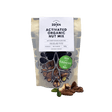
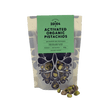
The Nutrient Pack from 2DiE4 Live Foods in Königsdorf, Bavaria, is a daily handful of five activated organic varieties: pumpkin seeds, walnuts, almonds, cashews and Brazil nuts. 1,100 g lasts 28 days, so around 39 g a day. On subscription it comes to you every 4 weeks for €69.90, around 22 % cheaper than the five bags individually.
Key facts at a glance
- Contents: 250 g pumpkin seeds, 250 g walnuts, 250 g almonds, 250 g cashews and 100 g Brazil nuts, all organic and activated.
- Daily portion: around 39 g with 7.6 g protein, 2.9 g fibre, 19.7 g unsaturated fatty acids and 115 mg magnesium, which is 31 % of the reference intake.
- Price: €69.90 every 4 weeks on subscription, around €2.50 a day. One-off €79.90, the five bags individually €89.50.
- Delivery: free shipping to Germany and Austria, and you can cancel the subscription at any time after the first delivery.
- Activated: soaked in spring water with sea salt and slowly dried at low temperatures, not roasted.
Why a pack instead of individual bags
Maybe you know this: an open bag of cashews sits on the table for a week, then nothing for two weeks. The German Nutrition Society (DGE) recommends something different: a small handful of nuts every day. Every day is the key word.
Real organic food you enjoy. We believe good nutrition starts on the plate: with real food from certified organic farming that you enjoy eating. The WHO recommends a varied diet of nutrient-rich foods and explicitly names nuts and seeds. So you can actually taste your nutrient routine.
That is exactly why Filip put the pack together. Not a tasting set, but a supply that works out exactly: five varieties, 1,100 g, 28 days. Each variety brings something different, and together they make a broad mix. And because the next pack arrives automatically, you don't have to think about it.
What is in the Nutrient Pack?
| Variety and origin | In the pack | Per day | Known for (per 100 g) |
|---|---|---|---|
|
Pumpkin seeds Bavaria, Germany |
250 g | around 9 g | 592 mg magnesium, 7.8 mg zinc, 8.8 mg iron |
|
Walnuts Moldova |
250 g | around 9 g | 9.1 g omega-3: alpha-linolenic acid (ALA) |
|
Almonds Andalusia, Spain |
250 g | around 9 g | 25.6 mg vitamin E, 270 mg magnesium |
|
Cashews Bali, Indonesia |
250 g | around 9 g | 292 mg magnesium, 2.2 mg copper, 18.2 g protein |
|
Brazil nuts Amazon rainforest, Bolivia |
100 g | around 4 g | Selenium, content varies widely by origin |
Five real foods instead of a list on a label. Values per 100 g from USDA FoodData Central for untreated nuts.
How we activate
All five varieties are organic and hand-finished in Königsdorf, Bavaria. For us, activated means two steps, and neither of them is roasting.
- Soaking. The nuts and seeds rest in spring water with less than 0.2 % sea salt. They take up water and swell.
- Slow drying. Then we dry them at low temperatures over several days until the water is out again.
You can taste the result: full flavour and the typical 2DiE4 crunch, without roasted notes.
Your daily portion
Around 39 g a day, however you like it: on its own, in muesli, over a salad. You can mix everything or spread the varieties across the day. If you share the pack, the calculator converts the amounts.
- 39 g of nuts and seeds a day
- 1 pack(s) every 4 weeks
- of which Brazil nuts: around 4 g a day, about one nut per person
39 g is an average. Plan your amount of nuts around your training load, energy needs and nutrient focus.
Calculate now →Which nutrients does a daily portion provide?
| Per day (39 g) | Amount | % Reference intake¹ |
|---|---|---|
| Energy | 1,024 kJ / 245 kcal | |
| Protein | 7.6 g | |
| Fibre | 2.9 g | |
| Unsaturated fatty acids | 19.7 g | |
| of which omega-3 (ALA) | 0.8 g | 41 % of 2 g² |
| Magnesium | 115 mg | 31 % |
| Vitamin E | 2.8 mg | 23 % |
| Zinc | 1.5 mg | 15 % |
| Iron | 1.7 mg | 12 % |
| Selenium | Source of selenium³ |
¹ Reference intake of an average adult (8,400 kJ / 2,000 kcal). ² There is no reference intake for omega-3. The basis is 2 g of ALA per day, the intake at which the beneficial effect from the authorised claim is obtained. The daily portion contributes around 0.8 g to this, it does not provide the full 2 g on its own. ALA is part of the unsaturated fatty acids and is not added to the 19.7 g. ³ How much selenium a Brazil nut contains depends on the soil the tree grows in. In a study of Brazil nuts from the Amazon region, the mean content ranged between 2 and 68 mg per kg depending on the region, a difference of around 30-fold, and individual nuts varied even more. That is why we do not state a daily value. The EFSA upper limit of 255 µg per day applies to your total selenium intake from all foods and supplements combined. Energy, protein, fibre and fatty acids are calculated from our nutrition information (unsaturated fatty acids as fat minus saturated fatty acids). Minerals, vitamin E and ALA come from literature values for untreated nuts (USDA). Where there are several sources, the lower value applies. These are average values, not an analysis of our batches. Natural variation is possible.
What the nutrients do
Per 100 g, the mix is high in magnesium, zinc, iron and vitamin E and a source of selenium. It is high fibre and high in unsaturated fat, a source of omega-3 fatty acids and a source of protein. What this means is precisely regulated in the EU. These claims are authorised:
- Magnesium contributes to a reduction of tiredness and fatigue.
- Magnesium contributes to normal muscle function.
- Zinc contributes to the normal function of the immune system.
- Selenium contributes to the normal thyroid function.
- Vitamin E contributes to the protection of cells from oxidative stress.
- Protein contributes to a growth in muscle mass. Protein contributes to the maintenance of muscle mass.
- Replacing saturated fats with unsaturated fats in the diet contributes to the maintenance of normal blood cholesterol levels.
- ALA contributes to the maintenance of normal blood cholesterol levels. The beneficial effect is obtained with a daily intake of 2 g of ALA.
Two things to note. With unsaturated fats, it is about swapping: unsaturated instead of saturated fats, not on top. And for ALA, your daily portion provides around 0.8 g, so about 40 % of the 2 g. The pack contributes to this, the full amount comes from your overall diet.
A varied and balanced diet and a healthy lifestyle are important. The pack is one part of that, not a replacement.
How to eat it
- Mornings: walnuts and almonds, roughly chopped, in your muesli or on yoghurt.
- Midday: pumpkin seeds over salad or soup. They stay crunchy if you add them once the food is on the plate.
- Afternoons: a handful of cashews on their own when you get hungry between meals.
- The Brazil nut: one a day is enough. Easiest first thing in the morning, then you won't forget it.
What does the Nutrient Pack cost?
The subscription is meant for your daily routine. If you want to try it first, you can also order the pack as a one-off.
| The same five bags | Price |
|---|---|
| bought individually | €89.50 |
| as a pack, one-off | €79.90 |
| as a pack on subscription | €69.90 |
Subscription
- around 22 % cheaper than the five bags individually
- 12.5 % cheaper than buying the pack once
- around €2.50 per day
- free shipping to Germany and Austria
- cancel any time after the first delivery
One-off
- to try it out
- around 11 % cheaper than the five bags individually
- free shipping to Germany and Austria
- no subscription, no follow-up delivery
Our comparison is based on our current shop prices for the five bags individually: pumpkin seeds 250 g €15.90, walnuts 250 g €20.90, almonds 250 g €20.90, cashews 250 g €22.90, Brazil nuts 100 g €8.90, together €89.50 (as of October 2026). All prices include VAT.
Frequently asked questions
How long does a Nutrient Pack last?
Exactly 28 days if you eat around 39 g every day. On subscription, the next pack arrives every 4 weeks, just as the old one runs out.
What does the Nutrient Pack cost?
On subscription €69.90 every 4 weeks, which is around €2.50 per day. As a one-off, the pack costs €79.90. The five bags individually cost €89.50 together. That makes the subscription around 22 % cheaper than buying individually and 12.5 % cheaper than buying the pack once.
How does the Nutrient Pack complement my diet?
The pack enriches your daily diet with different groups of nutrients from five natural foods. Unsaturated fatty acids, protein, fibre, vitamins and minerals come together, just as they grow naturally in nuts and seeds. A simple daily routine as part of a varied diet.
Whether individual food supplements make sense for you depends on your diet and your personal needs. If you have symptoms or suspect a deficiency, it is best to clarify this with a doctor. The pack does not replace medically recommended supplements.
How many nuts should you eat a day?
The DGE recommends a small handful of nuts every day, but does not give a number of grams. The pack is calculated at around 39 g a day. If you want less, share it with someone: the ingredient calculator above converts the amounts for several people.
Can I cancel the subscription?
Yes. After the first delivery, you can cancel the subscription at any time.
What does shipping cost?
Shipping to Germany and Austria is free, on subscription and for one-off orders.
Why is there only a small amount of Brazil nuts?
Brazil nuts contain a lot of selenium, and exactly how much depends heavily on the soil they grow in. Between growing regions, the average content differs by around 30-fold. Brazil nuts also accumulate natural radium more than other foods. That is why the DGE advises no more than 1 to 2 nuts per day. With 100 g for 28 days, you get about one Brazil nut a day. If you also take selenium as a supplement, it is best to talk to your doctor about it.
Who should avoid the pack?
As a precaution, the German Federal Office for Radiation Protection (BfS) advises pregnant and breastfeeding women, children and adolescents against eating Brazil nuts. For them, the other four varieties bought individually are a good fit. And of course anyone with a nut allergy.
Can I eat the varieties separately?
Yes. You can mix everything, split it by time of day, or put one variety in your muesli and another in your salad. All that matters is the total of around 39 g a day.
What does activated mean?
We soak the nuts and seeds in spring water with a little sea salt and then dry them slowly at low temperatures over several days. Nothing is roasted. More on this above under How we activate.
Ingredients and allergens
Pumpkin seeds* (Bavaria, Germany), walnuts* (Moldova), Brazil nuts* (Amazon rainforest, Bolivia), each with spring water with < 0.2 % dissolved Celtic sea salt. Almonds* (Andalusia, Spain), cashews* (Bali, Indonesia), each with spring water with < 0.2 % dissolved Croatian sea salt. *from certified organic farming. May contain shell fragments and traces of other nuts. Store well sealed and cool. Note on Brazil nuts: as a precaution, the German Federal Office for Radiation Protection (BfS) advises pregnant and breastfeeding women, children and adolescents against eating them.
Sources
- WHO: Healthy diet (Fact sheet)
- USDA FoodData Central, SR Legacy: walnut (170187), almond (170567), cashew (170162), pumpkin seed (170556), Brazil nut (170569)
- German Nutrition Society: Eat pulses and nuts regularly (in German)
- German Nutrition Society: Questions and answers on selenium (in German)
- Silva Junior E. C. et al. (2017): Natural variation of selenium in Brazil nuts and soils from the Amazon region. Chemosphere 188:650-658
- EFSA (2023): Scientific opinion on the tolerable upper intake level for selenium. EFSA Journal 21(1):7704
- Regulation (EU) No 432/2012: list of permitted health claims
- Regulation (EC) No 1924/2006: nutrition and health claims
- Regulation (EU) No 1169/2011, Annex XIII: reference intakes for vitamins and minerals
Real organic food you enjoy
Your daily handful of five activated organic varieties, 1,100 g, calculated for 28 days. On subscription €69.90 every 4 weeks, free shipping to Germany and Austria, cancel any time after the first delivery.
Go to the Nutrient Pack